

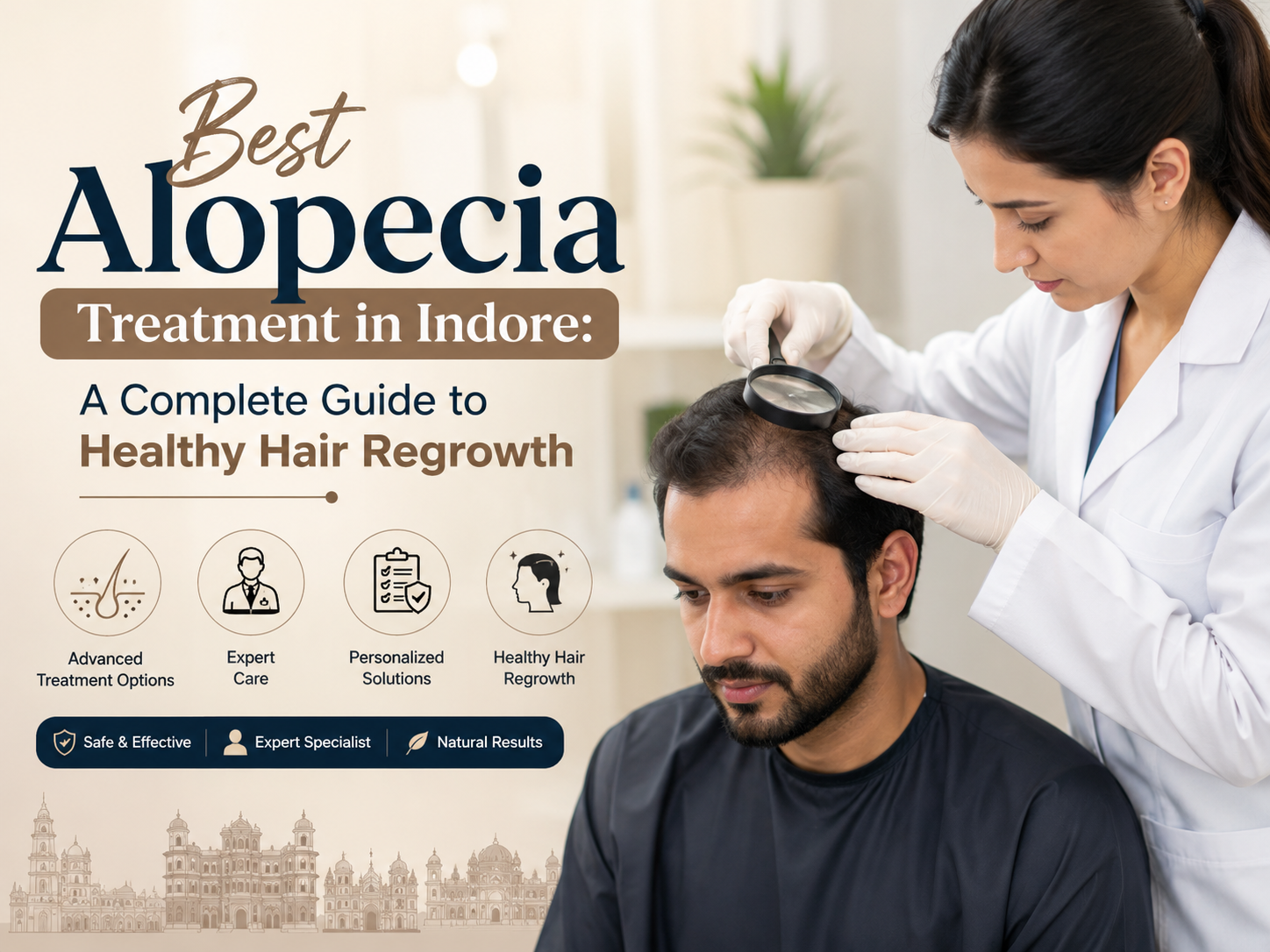
Hair loss is more than a cosmetic concern—it can affect confidence, self-image, and everyday life. If you have noticed unusual hair shedding, thinning hair, or bald patches, you may be dealing with alopecia. The good news is that early diagnosis and the right treatment plan can help manage the condition effectively.
If you’re looking for the best alopecia treatment in Indore, this guide explains everything you need to know, from the causes and symptoms of alopecia to modern treatment options that support healthier hair growth.
What Is Alopecia?
Alopecia is the medical term for hair loss that occurs when the normal hair growth cycle is disrupted. It can affect the scalp, beard, eyebrows, eyelashes, or other parts of the body. While some people experience temporary hair loss, others may require long-term medical care depending on the underlying cause.
Hair grows in cycles of growth, rest, and shedding. When this cycle is interrupted by health conditions, genetics, stress, or immune-related problems, noticeable hair loss may occur.
Different Types of Alopecia
Understanding the type of alopecia is important because each condition responds to different treatments.
Alopecia Areata
This condition develops when the immune system mistakenly attacks healthy hair follicles. It usually appears as small, round bald patches on the scalp or beard and may occur suddenly.
Androgenetic Alopecia
Often called male or female pattern hair loss, this is the most common form of alopecia. It develops gradually and is influenced by hereditary and hormonal factors.
Traction Alopecia
Continuous pulling of hair through tight hairstyles, extensions, or repeated styling can damage hair follicles and lead to hair loss.
Telogen Effluvium
Stress, illness, surgery, nutritional deficiencies, or hormonal changes can push more hairs into the shedding phase, causing temporary hair fall.
Scarring Alopecia
This uncommon condition permanently damages hair follicles because of inflammation. Early treatment is essential to prevent further hair loss.
Why Does Alopecia Happen?
Hair loss rarely has a single cause. In many cases, several factors work together.
Some common reasons include:
- Family history of hair loss
- Autoimmune disorders
- Hormonal imbalance
- Thyroid-related conditions
- Low iron or vitamin deficiencies
- Emotional or physical stress
- Certain medications
- Scalp infections
- Poor nutrition
- Excessive heat or chemical hair treatments
Finding the exact reason is the first step toward choosing the most suitable treatment.
Signs That Need Medical Attention
Many people ignore early symptoms until hair loss becomes severe. Consider consulting a hair specialist if you notice:
- Bald patches on the scalp
- Continuous hair thinning
- Hair falling out while combing or washing
- Receding hairline
- Widening hair partition
- Excessive hair shedding every day
- Itchy, painful, or inflamed scalp
- Slow hair regrowth
Early treatment generally offers better results than waiting until significant hair loss has occurred.
How Is Alopecia Diagnosed?
Hair specialists use a combination of clinical examination and diagnostic tests to understand the cause of hair loss.
The evaluation may include:
- Review of medical history
- Examination of the scalp and hair
- Hair pull test
- Dermoscopy for detailed scalp analysis
- Blood investigations if nutritional or hormonal issues are suspected
- Scalp biopsy in selected cases
A proper diagnosis ensures that treatment targets the actual cause instead of only managing symptoms.
Best Alopecia Treatment in Indore
The ideal treatment depends on the type of alopecia, its severity, and the patient’s overall health. Modern hair clinics provide customized treatment plans instead of following the same approach for everyone.
PRP Therapy
Platelet-Rich Plasma (PRP) therapy is a non-surgical procedure that uses growth factors from the patient’s own blood. These growth factors are injected into the scalp to improve follicle health and encourage hair growth.
PRP is commonly recommended for individuals experiencing early-stage hair thinning and certain forms of alopecia.
Prescription Medications
Depending on the diagnosis, dermatologists may prescribe topical applications or oral medicines to reduce hair fall and promote regrowth. Treatment should always be taken under professional supervision.
Low-Level Laser Therapy
Laser-based treatment improves blood circulation around hair follicles and may help strengthen existing hair while supporting healthier growth.
Corticosteroid Therapy
For autoimmune conditions such as alopecia areata, corticosteroid treatment may help reduce inflammation around hair follicles and encourage regrowth.
Nutritional Management
Hair health depends heavily on proper nutrition. Correcting deficiencies in iron, Vitamin D, Vitamin B12, zinc, and protein often supports stronger hair growth alongside medical treatment.
Advanced Hair Restoration Solutions
When hair follicles no longer produce healthy hair, specialists may recommend suitable hair restoration procedures after evaluating the condition of the scalp.
Benefits of Early Alopecia Treatment
Starting treatment at the right time can make a significant difference.
Some important benefits include:
- Slows the progression of hair loss
- Protects existing healthy hair
- Encourages stronger hair growth
- Improves scalp health
- Increases confidence
- Provides more treatment options before hair follicles become inactive
Daily Hair Care Tips for People with Alopecia
Medical treatment works best when combined with healthy hair care habits.
Follow these simple tips:
- Eat a balanced diet rich in protein and fresh vegetables.
- Stay hydrated throughout the day.
- Manage stress through yoga, meditation, or regular exercise.
- Avoid harsh chemical treatments unless advised by a professional.
- Wash your hair with a gentle shampoo suitable for your scalp.
- Get adequate sleep every night.
- Avoid tight hairstyles that pull on the hair roots.
- Follow your treatment plan consistently.
Choosing the Right Hair Clinic
Finding the right clinic is as important as selecting the treatment itself.
Before making a decision, look for:
- Experienced hair specialists
- Individual treatment plans
- Modern diagnostic equipment
- Transparent consultation process
- Good patient reviews
- Hygienic treatment environment
- Ongoing follow-up support
A clinic that focuses on identifying the root cause of hair loss is more likely to deliver long-term results.
Final Thoughts
Hair loss caused by alopecia can feel overwhelming, but effective treatment is available. Whether your condition is linked to genetics, stress, hormonal imbalance, or an autoimmune disorder, timely medical care can help control further hair loss and improve hair growth.
If you are searching for the best alopecia treatment in Indore, choose a clinic that provides a detailed diagnosis, personalized treatment recommendations, and continuous care. The earlier treatment begins, the better the chances of maintaining healthy hair and restoring confidence.
Frequently Asked Questions
Q. Which is the best alopecia treatment in Indore?
Ans: The best treatment depends on the type and severity of alopecia. A hair specialist may recommend PRP therapy, medications, laser therapy, nutritional correction, or other personalized solutions after diagnosis.
Q. Can alopecia hair grow back naturally?
Ans: Some types of alopecia are temporary, while others require medical treatment. Hair regrowth depends on the cause, the condition of the hair follicles, and how early treatment begins.
3. Is alopecia treatment painful?
Ans: Most non-surgical treatments involve minimal discomfort and are generally well tolerated. Your doctor can explain what to expect based on the treatment selected.
Q. How soon can I expect results from alopecia treatment?
Ans: Hair growth is gradual. Many patients begin noticing improvements after a few months, although timelines vary depending on the treatment plan and individual response.
Q. Who should consult a hair specialist for alopecia?
Ans: Anyone experiencing persistent hair loss, bald patches, excessive shedding, or visible thinning should seek professional evaluation to identify the cause and begin appropriate treatment.